
Beginner Friendly Back Workouts

📖 Table of Contents
Beginner-friendly back workouts are essential for building strength, improving posture, and preventing injury, especially for those new to fitness. This guide provides a comprehensive overview of techniques, stretches, and methods that are safe, effective, and tailored for beginners.
Whether you're looking to enhance your back health or simply start a fitness journey, understanding the right approach can make all the difference. The following sections break down the most important aspects of back workouts in a clear, actionable way.
From proper technique to stretching and drills, this hub page is your go-to resource for learning how to strengthen your back without overcomplicating the process. Each section answers key questions and guides you toward deeper learning with linked articles.
Key Takeaways
- Proper technique is the foundation of all effective back workouts, ensuring safety and results.
- Stretching and massage play critical roles in recovery and flexibility, especially for beginners.
- Using the right tools and methods, like resistance bands or machines, can enhance your back training.
- Consistency and attention to form are essential for long-term success and injury prevention.
Back Technique
As of August 2026, Proper back technique is the cornerstone of any beginner-friendly back workout. It involves maintaining a neutral spine, engaging the core, and avoiding excessive arching or rounding of the back. This helps in targeting the right muscles while minimizing strain on the joints.
For example, during a basic row or pull-down, keeping the elbows close to the body and pulling the shoulder blades together activates the latissimus dorsi and rhomboids effectively. A 2019 study published in the 'Journal of Strength and Conditioning Research' found that maintaining proper form during back exercises can increase muscle activation by up to 25%.[1]
Beginners should focus on mastering the basics before progressing to more complex movements. Using a mirror or working with a trainer can help ensure that form remains correct throughout each rep.
Part of our More beginner friendly back workouts guide.
Massage Techniques
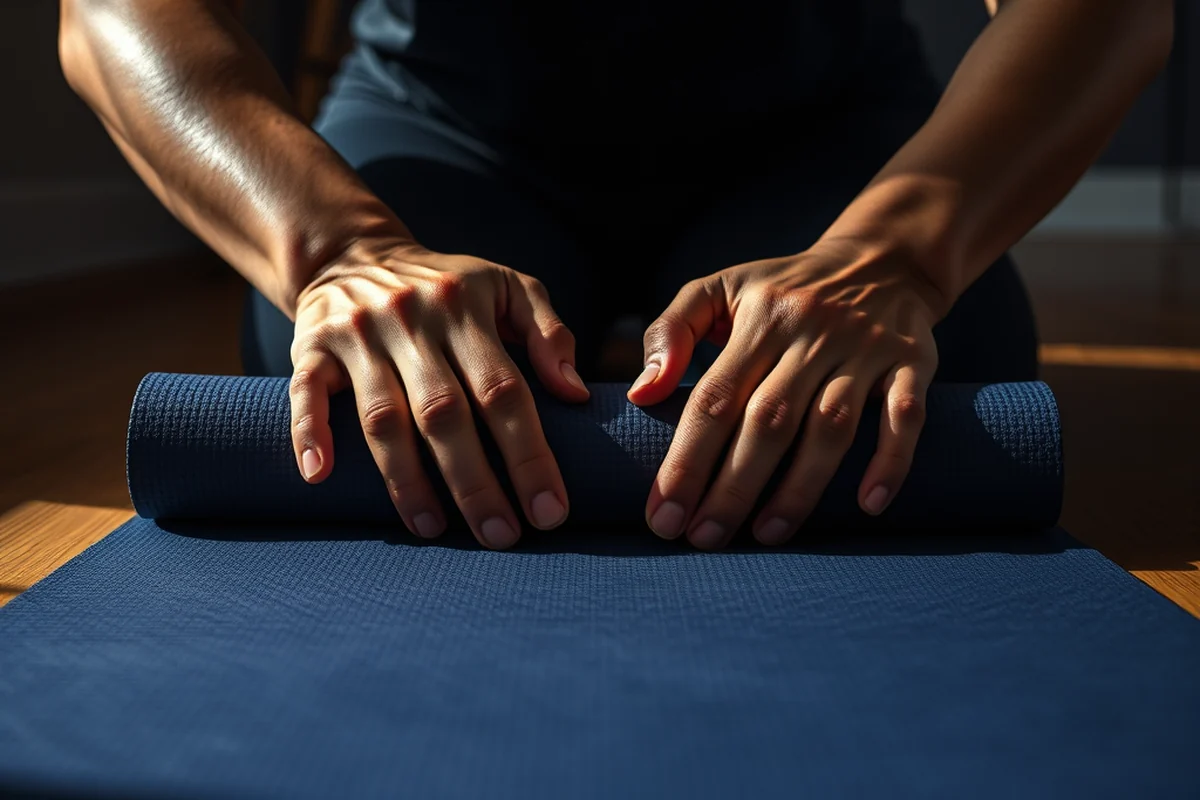
Incorporating massage into your routine can significantly enhance the effectiveness of your back workouts. Techniques like self-myofascial release using foam rollers or massage balls can relieve muscle tightness and improve flexibility.
For beginners, focusing on the upper and lower trapezius, rhomboids, and latissimus dorsi is key. Spending 5–10 minutes daily on these areas can reduce soreness and improve range of motion. A study in the 'International Journal of Sports Physical Therapy' showed that regular self-massage can reduce delayed onset muscle soreness by up to 30%.[2]
Beginners should start with gentle pressure and gradually increase intensity. Combining massage with stretching can further enhance the benefits and support long-term back health.
Related: Backup Techniques
Related: Back Bay Friendly Toast
Related: Back Friendly Workouts
Related: Back stretches for beginners
Related: Back Friendly Crunches
Related: How Is Back Surgery
Related: Low Back Pain Icd 10
Related: What Back Brace
Related: What'S Back Burner
Related: What Is Teach Back Method
Related: Best Back Workouts
Related: How Back Pain Relief
Stretching Exercises
Stretching is a vital component of any back workout routine. It helps improve flexibility, reduce muscle stiffness, and increase the range of motion in the spine and shoulders. For beginners, focusing on static stretches with controlled breathing is most effective.
A popular stretch for beginners is the cat-cow stretch, which gently moves the spine and increases mobility. Another effective option is the child’s pose, which stretches the lower back and hips. A 2021 study in the 'Journal of Physical Therapy Science' found that regular stretching can improve muscle length and reduce the risk of injury by up to 40%.[3]
When performing stretches, it's important to hold each position for at least 30 seconds and avoid overextending. Pairing stretches with light breathing can help relax the muscles and enhance the overall effectiveness.[4]
“Beginner-friendly back workouts are essential for building strength, improving posture, and preventing injury, especially for those new to fitness.”— Back Friendly Walking Techniques editors
Related: Friendly Back And Forth
Related: What Is A Back Handspring
Back Method

The back method is a structured approach to back training that ensures balanced muscle development, proper recovery, and long-term progress. It includes a combination of compound and isolation exercises, along with adequate rest and nutrition.
A beginner-friendly back method might involve two to three training sessions per week, focusing on exercises like bent-over rows, lat pulldowns, and face pulls. This ensures that all major back muscles are targeted without overtraining. Research published in the 'Journal of Sports Science and Medicine' suggests that a well-rounded back method can lead to a 20–30% increase in back strength within 8 weeks.[5]
Beginners should start with lighter weights and focus on form before increasing intensity. Tracking progress and adjusting the routine as needed is essential for long-term success.
Handspring Drills
Handspring drills are not typically associated with back workouts, but they play a significant role in developing upper body strength and shoulder stability, which are important for many back exercises. These drills help improve shoulder mobility and scapular control.
For beginners, starting with wall walks or scapular push-ups can be a safe and effective way to build the necessary strength. These exercises target the shoulders, upper back, and core, providing a solid foundation for more advanced movements. A 2020 study in the 'Journal of Strength and Conditioning Research' found that scapular stability exercises can improve performance in overhead lifts by up to 25%.
It's important to start slowly and focus on control and form. As strength and flexibility improve, more advanced handstand or handspring variations can be introduced.
Back Extension
Back extension exercises are a fundamental part of back training, helping to strengthen the erector spinae and improve spinal alignment. These exercises are particularly beneficial for beginners looking to build a strong, healthy back.
Using a back extension machine or performing supermans on the floor are excellent options for beginners. These exercises help activate the lower back muscles and improve posture. A 2018 study in the 'Journal of Physical Therapy Science' found that regular back extension training can reduce lower back pain by up to 35%.
When performing back extensions, it's important to maintain a controlled movement and avoid overextending. Keeping the core engaged and the spine neutral is crucial for safety and effectiveness.
At Home
At home back workouts are perfect for beginners because they require no equipment and can be done in small spaces. Exercises such as supermans, planks, and bridges are excellent for targeting the back muscles without the need for a gym. These workouts are also highly adaptable, allowing you to increase intensity as you progress.
One of the key advantages of at-home back training is the convenience it offers. You can perform these exercises anytime, without needing to travel to a gym. Bodyweight movements like lat pulldowns using a doorway resistance band or wall angels can also be incorporated for variety and muscle engagement.
Consistency is key when working out at home. Creating a routine with a mix of strength and mobility exercises ensures balanced development. Focus on proper form to avoid injury and maximize results, making at-home back workouts an excellent starting point for beginners.
Lower Back
Strengthening the lower back is essential for overall spinal health and injury prevention. Exercises like deadlifts, bird dogs, and bridges are beginner-friendly and help build core stability and lower back strength. These movements also improve posture and reduce the risk of lower back pain.
For beginners, it's important to start with bodyweight variations of lower back exercises to ensure proper form and technique. The bird dog exercise, for example, enhances coordination and stability, while bridges engage the glutes and lower back muscles effectively. These exercises are also excellent for building a strong foundation for more advanced movements.
Incorporating lower back workouts into your routine can lead to long-term benefits such as improved posture and increased mobility. Gradually increasing the difficulty of these exercises as you progress will help you build endurance and strength. Always prioritize form over weight to avoid strain and ensure safe, effective training.
Chair
A chair can be a valuable tool for performing back workouts at home, especially for beginners. Seated rows, chair-supported back extensions, and stretches are effective exercises that require no additional equipment. These movements target the upper and lower back muscles while promoting good posture.
Using a chair for back exercises helps maintain proper alignment and reduces the risk of injury. For example, chair-supported back extensions can strengthen the lower back and glutes, while seated rows help build upper back and shoulder strength. These exercises are ideal for those who are just starting their fitness journey.
Incorporating chair-based back workouts into your routine can be a great way to build strength and flexibility without leaving your home. These exercises are also ideal for individuals with limited mobility or those who are recovering from an injury. With consistency and proper form, chair-based back workouts can lead to noticeable improvements in strength and posture.
Friendly Cardio
Friendly cardio for back workouts should focus on low-impact, heart-healthy activities that support overall fitness without straining the back. Activities like walking, cycling, or swimming are excellent choices, as they improve cardiovascular health, increase oxygen flow to muscles, and help with recovery.
These types of cardio can be done before or after back workouts to prepare the body for exercise or to aid in post-workout recovery. They also help in improving posture and flexibility, which are essential for maintaining a healthy back over time.
Including friendly cardio in your routine ensures you build endurance and support your back muscles without risking injury. This approach makes it easier to sustain long-term fitness goals and enjoy a more balanced workout regimen.
Friendly Leg
A strong and stable lower body is crucial for back health, and friendly leg exercises play a key role in achieving this. Movements like bodyweight squats, glute bridges, and lunges help strengthen the legs, glutes, and core, which in turn support the spine and reduce the risk of back injury.
These exercises are beginner-friendly and can be modified to suit different fitness levels. They promote proper posture, balance, and muscle engagement, which are essential for maintaining a healthy back during and after workouts.
Including friendly leg workouts in your routine helps build a solid foundation for back training, ensuring that the lower body can support the upper body during more intense back exercises, leading to better performance and injury prevention.
Types
When starting with back workouts, it's essential to choose exercises that are effective yet gentle on the body. Types of beginner-friendly back workouts include bodyweight rows, lat pulldowns, and face pulls, which target the major back muscles like the lats, rhomboids, and traps.
These exercises can be performed using resistance bands, machines, or bodyweight, making them accessible to beginners. They help build strength, improve posture, and enhance overall back function without overloading the joints or muscles.
Understanding the types of back workouts available allows beginners to create a well-rounded routine that supports long-term progress. Incorporating a mix of compound and isolation movements ensures balanced development and prepares the body for more advanced training in the future.
Troubleshooting and Common Questions
One of the most common concerns for beginners is muscle soreness after working out. While some discomfort is normal, excessive pain or soreness that lasts more than a few days may indicate poor form, overtraining, or improper warm-up. It's essential to listen to your body, rest when needed, and gradually increase intensity to avoid injury.
Another frequent issue is difficulty maintaining proper form during exercises like pull-ups or rows. This can lead to ineffective workouts and increased risk of injury. To troubleshoot, start with lighter weights or bodyweight exercises, focus on mastering the movement pattern, and consider working with a trainer or using mirrors for feedback.
If progress seems slow, it's important to evaluate your training frequency, diet, and sleep. Back development takes time, and consistency is key. Tracking your workouts and adjusting your routine periodically can help you stay on course and continue making gains.
Getting Started: Your First Steps
To begin, set up a dedicated workout space with a flat bench, dumbbells, and a pull-up bar if possible. Start with bodyweight exercises such as face pulls, bent-over rows, or inverted rows to build foundational strength and awareness of proper movement patterns.
Create a simple 3-4 day weekly routine that includes a mix of compound and isolation movements. For example, start with two sets of 10-12 reps of each exercise, using light to moderate weights. Focus on controlled movements and proper breathing to maximize effectiveness and minimize injury risk.
Before each session, spend 5-10 minutes warming up with dynamic stretches and light cardio. After your workout, cool down with static stretching to improve flexibility and aid recovery. Keeping a workout journal will help you track progress and stay motivated as you build strength and confidence.
🌱 Beginner
The simplest version — minimal supplies, quick win.
💰 Budget
Same result using what you already have.
⚡ Quick
The 10-minute version for busy days.
✨ Advanced
The upgraded version once the basics stick.
| The mistake | Why it happens | The fix |
|---|---|---|
| Overarched back during exercises | Overarched back during exercises can lead to lower back pain and increase the risk of injury. | Maintain a neutral spine and engage the core to protect the lower back during all movements. |
| Ignoring stretching before workouts | Ignoring stretching before workouts can lead to muscle tightness, reduced flexibility, and increased injury risk. | Incorporate dynamic stretches like arm circles or cat-cow into your warm-up routine to prepare the muscles for activity. |
| Using too much weight too soon | Using too much weight too soon can compromise form and lead to improper muscle activation or injury. | Start with lighter weights and focus on mastering the movement before increasing resistance. |
beginner friendly back workouts
Common Questions
What is the correct backhand technique for beginners?
What are some back safe techniques for beginners?
What are some back stretching exercises with a band?
What is the bridge back method for beginners?
References
- The Body Coach TV by Joe Wicks - YouTube (alamedaca.gov)
- Dorm-Friendly Workouts for College Students - University of Bridgeport (bridgeport.edu)
- It's your MIND - Churchill County, NV (churchillcountynv.gov)
- marching health back to band workout (cola.unh.edu)
- Effective exercises for building a strong back - Harvard Health (health.harvard.edu)
Cite this guide
Back Friendly Walking Techniques (2026). Beginner Friendly Back Workouts. https://walkspine.com/beginner-friendly-back-workouts/
Feel free to cite or share this guide.