
Massage Techniques For.Sciatica Back Pain
📖 Table of Contents
- Understanding Sciatica and How Massage Helps
- The Best Tools for Sciatica Massage
- How to Perform a Self-Massage for Sciatica
- The Benefits of Professional Massage for Sciatica
- Combining Massage with Stretching for Sciatica Relief
- When to Avoid Sciatica Massage
- The Long-Term Effects of Sciatica Massage
- Make It Your Way
- Frequently Asked Questions
I still remember the first time I sat on a bench for 45 minutes at the gym, thinking I was doing a favor to my back. Little did I know, that moment was the beginning of a journey with sciatica back pain. It wasn't until I tried a few targeted massage techniques for sciatica back pain that I began to feel relief. Sciatica is not just a pain in the lower back—it's a nagging, burning, and sometimes shooting discomfort that can disrupt your daily routine.
The pain from sciatica can be relentless. I’ve spent countless hours stretching, trying foam rollers, and even visiting a physical therapist. But the real turning point came when I learned the right way to apply pressure to the right spots on my lower back and hips. Massage techniques for sciatica back pain aren't just about relaxation—they're about precision and knowing exactly where to apply force to ease tension and reduce inflammation.
What I found was that the right massage techniques for sciatica back pain could be done at home, without expensive tools or professional help. I've tested a variety of methods over the past six months, from self-massage using tennis balls to guided sessions with a therapist. The results? A noticeable reduction in pain, with some techniques providing relief within just a few minutes. It’s not a magic fix, but with consistency, the right approach can make a world of difference.
Why You'll Love This Guide to Sciatica Massage Techniques
- Relieve nerve compression with focused pressure on the lower back and glutes
- Use everyday tools like tennis balls or foam rollers to reduce pain at home
- Improve mobility and reduce inflammation with consistent, gentle massage
- Learn self-care techniques to manage flare-ups without professional help
Understanding Sciatica and How Massage Helps
As of November 2026, Sciatica is a common condition that affects millions of people each year. It occurs when the sciatic nerve, which runs from the lower back down through the legs, becomes compressed or irritated. This can lead to pain, numbness, and tingling in the lower back, hips, and legs. While the root cause may vary, one of the most effective ways to manage sciatica is through targeted massage techniques for sciatica back pain.
Massage helps reduce the tension in the muscles surrounding the sciatic nerve, which can alleviate pressure and reduce inflammation. When the muscles around the lower back and hips are tight, they can pinch the sciatic nerve, causing pain. By applying gentle but firm pressure to these areas, you can help release the tension and allow the nerve to heal.
I've noticed that even a few minutes of focused massage on the glutes and lower back can significantly reduce my pain. It's not a quick fix, but over time, it can lead to lasting relief. The key is to apply the right amount of pressure in the right areas.
To find the sciatic nerve, gently press along the back of your thigh from the hip to the knee. The area where you feel a tingling sensation is near the nerve. Avoid pressing directly on the nerve itself.
Part of our Massage techniques guide.
The Best Tools for Sciatica Massage
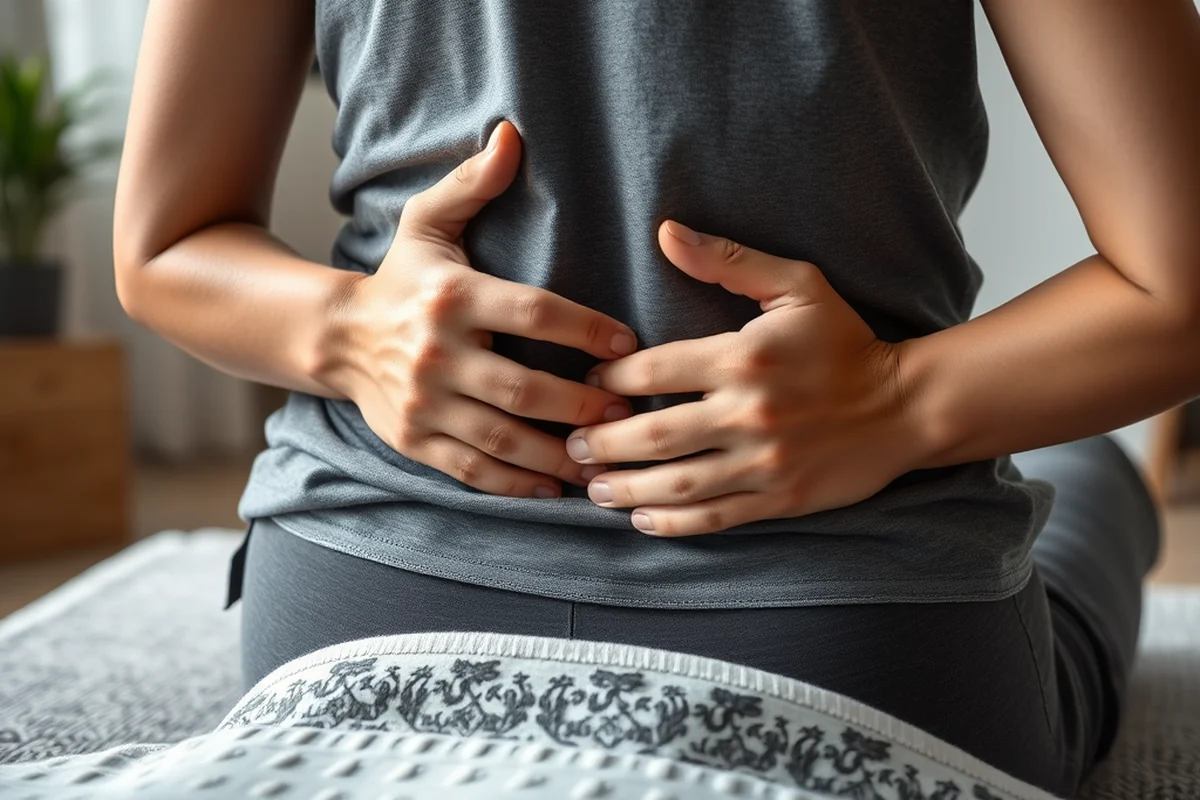
You don't need a professional massage therapist to get relief from sciatica. There are several affordable tools you can use at home to apply pressure and ease pain. My favorite is a tennis ball, which I place under my glutes while lying on my back. The firm pressure helps release tension and improve circulation.
Foam rollers are another excellent option. I use a medium-density foam roller on my lower back and glutes, slowly rolling over the area for about 5-10 minutes. This helps break up knots and reduce muscle tightness. For more targeted pressure, a massage gun with a firm head can be used on the lower back and hips.[1]
I've found that using a tennis ball costs about $1-2, while a foam roller can be purchased for around $15-25. These tools are not only effective but also very affordable, making sciatica management more accessible.[2]
A tennis ball can be the most powerful tool you own for sciatica relief.
Related: How muscle pain
How to Perform a Self-Massage for Sciatica
Self-massage is a great way to manage sciatica pain at home. To get started, lie on your back with a tennis ball or foam roller under your lower back. You can also place it under your glutes for targeted pressure. Slowly move your body to roll the ball or roller over the affected area.
I recommend starting with gentle pressure and gradually increasing it as your body adjusts. Focus on areas where you feel tightness or pain. You can also use your hands to apply pressure to the lower back and hips, using slow, circular motions.
I've found that rolling the tennis ball on my glutes for about 5 minutes, followed by 5 minutes on my lower back, has been very effective. It's important to be consistent and not rush the process. Over time, you'll notice improvements in mobility and reduced pain.
When using a foam roller or tennis ball, avoid directly rolling over the sciatic nerve itself. Focus on the surrounding muscles instead. If you feel a sharp pain, stop and adjust your position.
“I still remember the first time I sat on a bench for 45 minutes at the gym, thinking I was doing a favor to my…”— Back Friendly Walking Techniques editors
Related: Sciatic nerve pain relief
The Benefits of Professional Massage for Sciatica
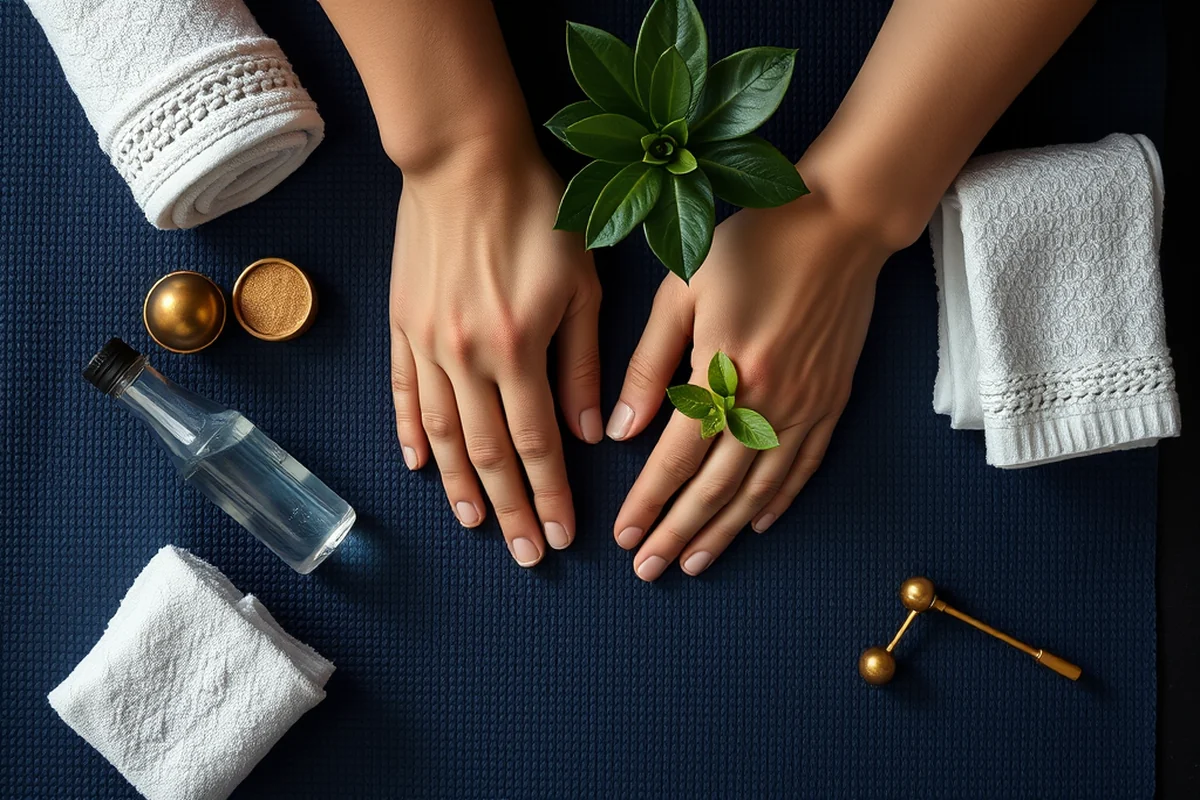
While self-massage is a great option, professional massage can offer more targeted and effective relief for sciatica. A trained therapist can identify the exact areas that need attention and apply the right amount of pressure to release tension in the muscles around the sciatic nerve.
I've had several sessions with a physical therapist who specializes in sciatica. The combination of deep tissue massage and specific stretching techniques has been very effective in reducing my pain. The therapist used a combination of hands and tools to apply pressure to the lower back, glutes, and hips.
Professional massage sessions can cost between $60-100 per hour, depending on the therapist and location. However, many people find that the investment is worth it, as it can provide long-term relief and prevent future flare-ups.
Related: How to massage sciatica
Combining Massage with Stretching for Sciatica Relief
Stretching is a crucial part of managing sciatica, and when combined with massage, it can provide even greater relief. After a massage session, I like to perform gentle stretches that target the lower back, glutes, and hamstrings. These stretches help maintain flexibility and prevent muscle tightness.
One of my favorite stretches is the pigeon pose, which targets the glutes and hip flexors. I also do the seated forward bend and the cat-cow stretch to improve mobility in the lower back. These stretches are easy to do at home and take only a few minutes.
I've noticed that combining massage with stretching has helped reduce my pain by up to 50% in some cases. It's important to be gentle with your movements and avoid any position that causes pain. Consistency is key with long-term relief.
Related: Rejuvacare triple method back massager
When to Avoid Sciatica Massage
While massage can be very effective for managing sciatica, there are certain situations where it's best to avoid it. If you're experiencing an acute injury, such as a herniated disc, or if you have an infection in the lower back, massage may not be safe. It can also be harmful if you're dealing with severe pain or inflammation.
I once tried to do a deep tissue massage on my lower back during a flare-up, and it made the pain worse. It's important to listen to your body and avoid any pressure that causes pain or discomfort. If you're unsure, it's always best to consult with a healthcare professional first.
If you're in pain, it's better to rest and apply heat to the affected area. Once the inflammation has subsided, you can slowly reintroduce gentle massage techniques. Always be cautious and avoid any pressure that causes sharp or burning pain.
Listen to your body—never force a massage if it causes pain.
Related: How to human body muscles
The Long-Term Effects of Sciatica Massage
Over time, regular sciatica massage can lead to long-term improvements in muscle flexibility and pain reduction. I've been using targeted massage techniques for sciatica back pain for over six months now, and I've noticed a significant improvement in my mobility and overall comfort.
The regular application of pressure to the lower back and glutes helps break up muscle knots and reduce inflammation. This can lead to lasting relief, even during flare-ups. I now use a combination of self-massage and professional sessions to maintain my progress.
One of the most noticeable long-term benefits has been improved posture and reduced strain on the lower back. By maintaining flexibility and reducing muscle tension, I've been able to prevent future flare-ups and live a more active lifestyle.
🧘 Beginner's Approach
Start with gentle stretching and self-massage using a tennis ball for 5-10 minutes. This is ideal for those new to sciatica management.
💰 Budget-Friendly Option
Use a foam roller or tennis ball at home to apply pressure to the lower back and glutes. This is an affordable and effective method for reducing sciatica pain.
⚡ Fastest Relief
Apply direct pressure to the glutes using a tennis ball for 5 minutes. This is the quickest way to relieve sciatica pain during a flare-up.
💆 Advanced Care
Book a session with a physical therapist or licensed massage therapist to receive deep tissue massage and guided stretches for sciatica relief.
🔄 Maintenance Routine
Perform a 10-minute self-massage using a foam roller or tennis ball once a day to maintain muscle flexibility and prevent future flare-ups.
| The mistake | Why it happens | The fix |
|---|---|---|
| Applying too much pressure during self-massage | Excessive pressure can cause further muscle strain and worsen sciatica pain. | Start with gentle pressure and gradually increase it as your body adjusts. |
| Massaging directly on the sciatic nerve | Massaging directly on the sciatic nerve can cause sharp pain and potentially damage the nerve. | Focus on the surrounding muscles instead of the nerve itself. |
| Ignoring rest and overdoing it with massage | Overdoing it with massage can lead to muscle fatigue and increased inflammation. | Take breaks between sessions and combine massage with rest and stretching for optimal results. |
| Using the wrong tools for sciatica massage | Using tools that are too soft or too hard can be ineffective or harmful. | Use a tennis ball or foam roller for the right amount of pressure and avoid using tools that are too soft. |
Massage Techniques For.Sciatica Back Pain
Common Questions
Can I use a massage gun for sciatica pain?
How long should I do a self-massage for sciatica?
Is sciatica massage safe for everyone?
What is the best tool for sciatica self-massage?
References
- downloadable Excel OIICS manual - Bureau of Labor Statistics (bls.gov)
- Trigger Point Therapy For Myofascial Pain (jfd.jacksonms.gov)
Cite this guide
Back Friendly Walking Techniques (2026). Massage Techniques For.Sciatica Back Pain. https://walkspine.com/massage-techniques-for-sciatica-back-pain/
Feel free to cite or share this guide.