
Dog Walking Tips For Beginners
📖 Table of Contents
I remember the first time I walked my dog, Max, around the neighborhood. I was excited, but also a bit nervous. I didn’t know what to expect, and I had no idea how to make the walk both enjoyable for me and beneficial for Max. That’s why I want to share this article with you — to help you handle the world of dog walking with confidence, no matter where you are in your journey.[1]
As a dog owner, I’ve learned that walking your dog is more than just a routine — it’s an investment in your health, your pet’s well-being, and the bond you share. But for beginners, it can be overwhelming. There are so many things to consider: the right pace, the best route, how to handle distractions, and even how to stay motivated. That’s where the right tips come in — and that’s what this article is all about.
If you’re new to dog walking, I’m here to walk you through the essentials. Whether you're looking to build your stamina, improve your pet’s behavior, or just make the most of your daily walk, these tips will help you get started on the right foot. Let’s explore what makes a great walk — for both you and your dog.
Why You'll Love This Guide to Dog Walking Tips for Beginners
- You’ll learn how to walk your dog safely and comfortably from day one.
- You’ll discover techniques to keep your dog engaged and focused during walks.
- You’ll boost your own fitness while spending quality time with your pet.
- You’ll avoid common mistakes that could lead to frustration or injury.
How to Prepare for Your First Walk
As of November 2026, before stepping outside, make sure your dog is properly leashed with a secure harness or collar. I recommend starting with a 6-foot leash to give you more control. It’s also a good idea to bring treats, water, and a waste bag in case of unexpected bathroom breaks.
Choose a time of day when the weather is mild and the streets are less crowded. I found that early mornings or late afternoons are often the best times, as the temperatures are more comfortable and there are fewer distractions for your dog.
Start with short walks — even 10 minutes can make a difference. I always begin with a 15-minute walk, and I gradually increase the time as I and my dog become more comfortable. This builds endurance for both of us without overwhelming either party.[2]
Avoid walking your dog during peak hours if you're new to walking. Early mornings or late afternoons are ideal for a peaceful and focused walk.
Part of our Safe walking guide.
Choosing the Right Route

Look for a route that’s flat and has little to no traffic. I prefer walking near local parks or along quiet residential streets, where there are few obstacles and more opportunities for my dog to explore safely.
Avoid areas with heavy traffic, steep hills, or uneven terrain — these can be dangerous for both you and your dog. I’ve learned the hard way that even a small misstep on a rocky path can lead to an injury.
Try to vary your route every few days to keep things interesting. I’ve found that rotating between a few nearby spots keeps my dog engaged and prevents boredom, which can lead to destructive behavior at home.
A change of scenery is a change of heart — for both you and your dog.
Related: Dog walking training techniques
How to Handle Distractions
Dogs are naturally curious, and they love to chase squirrels, sniff every leaf, and say hello to every dog they see. I’ve learned that it’s important to stay patient and not get frustrated when my dog gets distracted.
Use positive reinforcement techniques, like treats or praise, to encourage good behavior. I carry a small bag of treats with me and reward my dog when they stay focused on me instead of wandering off.
If your dog is too distracted to walk properly, consider using a head harness or a front-clip harness. These can help keep your dog more focused and prevent them from pulling you off the path.
Your calm and positive energy will help your dog stay focused. Reward good behavior with treats and praise to reinforce it.
“I remember the first time I walked my dog, Max, around the neighborhood.”— Back Friendly Walking Techniques editors
Related: Walking techniques burn calories
The Benefits of Consistent Walking
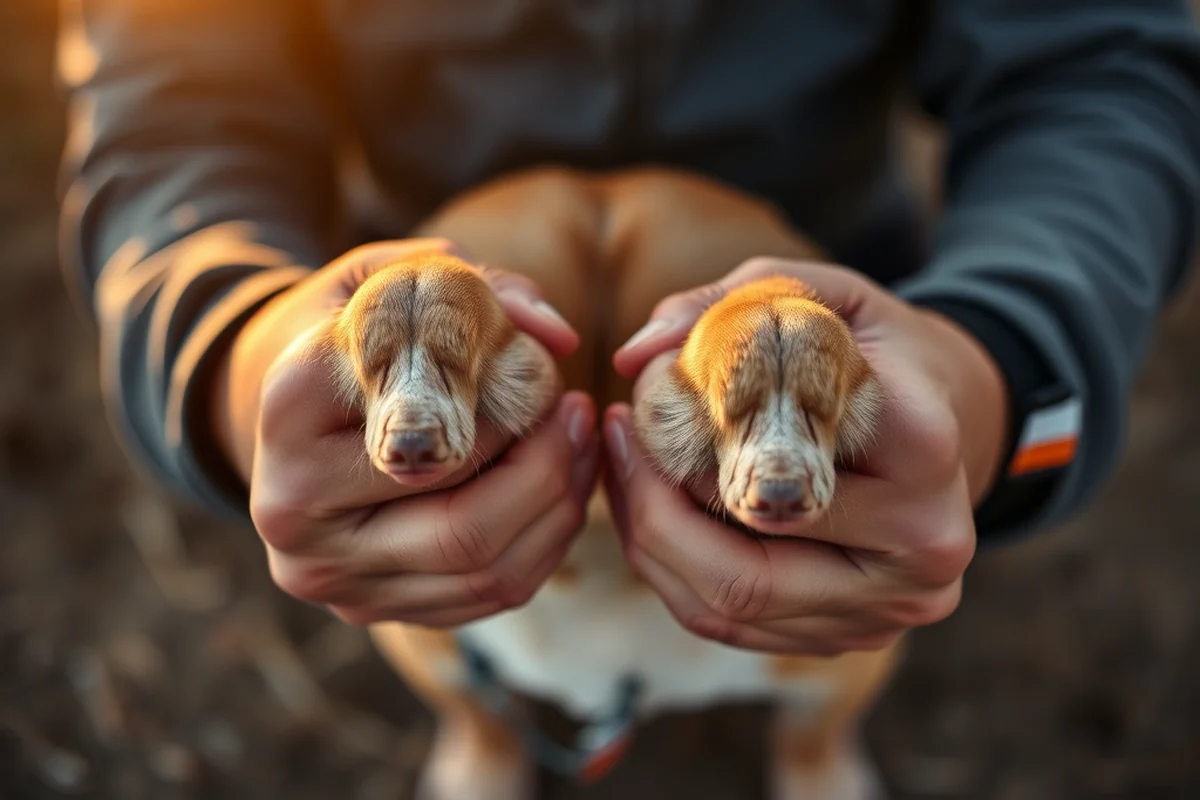
Consistency in walking helps build a routine that your dog can rely on. I’ve noticed that my dog is more relaxed and well-behaved at home when we walk together every day. This predictability helps reduce anxiety and destructive behavior.
For you, regular walking is a great way to improve your fitness, boost your mood, and reduce stress. I started walking my dog for 30 minutes every day, and within a month, I noticed a significant improvement in my energy levels and overall happiness.[3]
Consistent walks also help maintain a healthy weight for your dog, which can prevent obesity-related health issues. I’ve made it a point to walk my dog every day, and I’ve seen a noticeable difference in his energy and overall health.
Related: Fire walking techniques
Tips for Walking in Different Weather Conditions
During hot weather, it’s important to avoid walking your dog during the peak hours of the day. I always walk my dog early in the morning or late in the evening when the sun is less harsh and the temperature is more bearable.
In cold weather, make sure your dog is dressed appropriately. I use a lightweight jacket for my dog during the winter months, and I avoid walking him for too long in freezing conditions to prevent hypothermia.
Rainy days can be tricky, but with the right gear — like a waterproof leash and a raincoat for your dog — your walk can still be enjoyable and safe. I’ve found that even in the rain, a short and focused walk can be a great way to bond with your dog.
Related: Chromosome walking techniques
How to Keep Your Dog Motivated
Use treats, praise, and play as rewards to keep your dog interested. I always carry a small bag of treats with me, and I give them to my dog when they walk beside me or stay focused on the path.
Try incorporating short games or training exercises into your walks. I’ve started teaching my dog to sit or stay on command during our walks, which not only keeps him engaged but also strengthens our bond.
Vary your routes and include new sights and scents to keep your dog curious and excited. I’ve noticed that my dog is more eager to walk on days when we explore a new neighborhood or take a different path.
Motivation comes from the small joys — a treat, a new scent, or a well-earned reward.
Related: Ninja walking techniques
The Importance of Safety During Walks
Make sure your dog is always on a leash — even in areas where off-leash walking is allowed. I’ve learned that dogs can easily get lost or injured if they’re not properly supervised.
Avoid walking your dog in areas with high traffic or potential hazards, like busy roads or construction sites. I’ve learned to stay away from those places to keep both me and my dog safe.
Always be aware of your surroundings and watch for potential dangers, like aggressive dogs or sudden obstacles. I’ve made it a point to stay alert during every walk and have learned to trust my instincts.
🚶♂️ Beginner’s Walk
Short, steady walks in a quiet neighborhood to build confidence and endurance.
💰 Budget-Friendly Walk
A walk that requires no equipment or cost — just you, your dog, and a familiar path.
⚡ Fastest Walk
A quick, efficient walk that keeps both you and your dog energized and moving.
💪 Advanced Walk
A longer walk that includes training, exploration, and a variety of terrains.
🔄 Maintenance Walk
A routine walk that keeps your dog healthy, happy, and well-behaved.
| The mistake | Why it happens | The fix |
|---|---|---|
| Walking your dog during the hottest part of the day. | This can lead to heat exhaustion, dehydration, or even heatstroke for your dog. | Walk your dog during cooler times of the day, such as early morning or late afternoon. |
| Not using a secure leash or harness. | Your dog could get lost, injured, or run into traffic if they’re not properly restrained. | Use a secure leash and harness to ensure your dog stays safe and under control during walks. |
| Ignoring your dog’s behavior during the walk. | Your dog may become frustrated or anxious if they’re not given enough attention or direction. | Stay engaged with your dog throughout the walk. Use treats, commands, and positive reinforcement to guide them. |
| Walking your dog on a leash that’s too long. | A long leash can make it difficult to control your dog and can lead to them getting into dangerous situations. | Use a 6-foot leash or shorter to maintain better control and safety for both you and your dog. |
Dog Walking Tips For Beginners
Common Questions
How long should I walk my dog each day?
What should I do if my dog pulls on the leash?
Can I walk my dog in the rain?
What should I do if my dog is scared of other dogs?
References
- How One Teen Built a Youth-Led Environmental Art Movement (fairfaxcounty.gov)
- “Walk and Talk” Toolkit | DHHS - Nebraska.gov (dhhs.ne.gov)
- Physical Activity Boosts Brain Health - CDC (cdc.gov)
Cite this guide
Back Friendly Walking Techniques (2026). Dog Walking Tips For Beginners. https://walkspine.com/dog-walking-tips-for-beginners/
Feel free to cite or share this guide.