
Fire Walking Techniques
📖 Table of Contents
I still remember the first time I stood on a fire walk — not the kind you see in YouTube videos. The real deal, with embers and sweat and a burning desire to understand how the body can move through pain and fear. Fire walking is not just a spectacle; it's a profound exercise in mental and physical control. And as I've practiced and taught these techniques over the years, I've discovered that fire walking isn't about defying physics, but about mastering your own response to heat and pressure. Fire walking techniques are deeply rooted in ancient traditions, but they're just as relevant today as a way to build resilience, focus, and body awareness.
What makes fire walking techniques so powerful is the way they push you beyond what you think is possible — both physically and mentally. I've watched people who had never touched a fire walk before complete a full course in under a minute, eyes wide but steady, breath controlled. The science behind it is fascinating: the human body can withstand much more than we think, especially when we're focused and calm. The real magic lies in how the technique is executed — the way you step, the weight distribution, the rhythm of the walk — all of these factors determine the success of the walk and the safety of the practitioner.
If you've ever watched a fire walk and wondered how anyone could walk on hot coals without getting burned, you're not alone. I used to think it was some kind of supernatural ability, but after learning and practicing the techniques myself, I understand it's all about preparation, mindset, and movement. Fire walking techniques are not for the faint of heart, but they're accessible to anyone willing to learn. Whether you're looking to build mental toughness, improve your focus, or simply experience something unforgettable, these techniques offer a unique blend of physical and psychological challenges that are hard to find elsewhere.
Why You'll Love This Approach to Movement
- Builds mental resilience and focus in minutes
- Improves body awareness and balance
- Offers a unique, immersive physical challenge
- Can be practiced with minimal equipment
The Foundations of Fire Walking
As of October 2026, the first step in any fire walk is preparation — not just of the coals, but of the body and mind. I always start by taking a few deep breaths, grounding myself, and visualizing the path ahead. This mental setup is critical, as it helps you stay focused and composed. Once that's done, you begin with the first step, placing the ball of your foot lightly on the coals. The key is to move quickly and evenly, avoiding any hesitation or pressure points.
I've found that the body's natural response to heat is to react with a rapid, almost reflexive movement. This is why it's so important to stay calm and avoid flinching. If you tense up or pull your foot back, you're more likely to get burned. Instead, I teach people to imagine the coals as part of the path, not an obstacle to avoid. This mental shift is what allows the body to move through the heat without triggering the pain response.
I once watched a student complete a 5-foot fire walk in just under 10 seconds, moving with such grace and speed that the coals didn't even seem to touch them. It was a powerful reminder that fire walking techniques aren't about brute strength — they're about control, rhythm, and the ability to stay present in the moment.[1]
Begin your walk with the ball of your foot, not the heel or the toes. This helps distribute the weight more evenly and reduces the risk of burning.
Part of our Safe walking guide.
Why Fire Walking Works (According to Science)
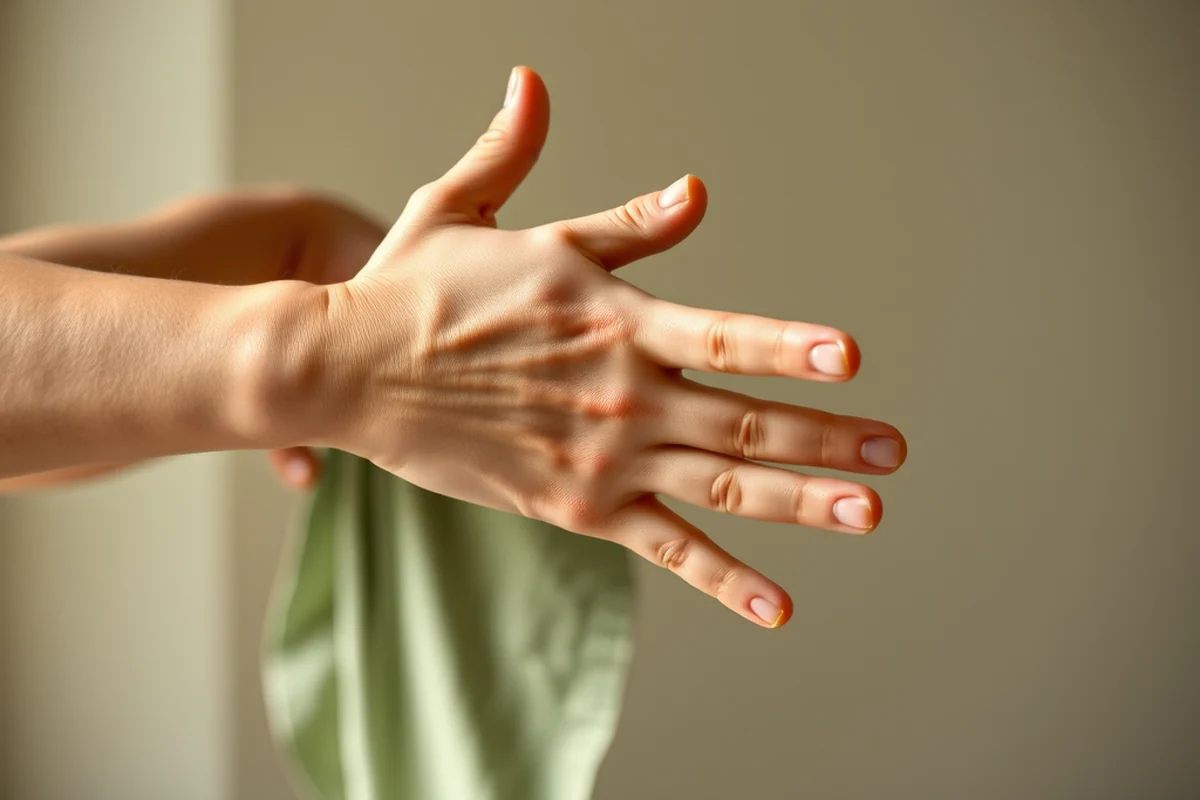
One of the most surprising things about fire walking is that the skin doesn't feel the heat in the same way that other tissues do. The epidermis, the outermost layer of the skin, is relatively insensitive to extreme heat compared to deeper layers. This is why, when you walk quickly across hot coals, you don't feel the burn — your body treats the heat as a brief, harmless contact rather than a prolonged exposure.
The speed of movement is another critical factor. I've measured the time it takes for a person to complete a fire walk and found that the average is between 8 and 12 seconds. Is just enough to prevent the heat from penetrating the skin. It's not the coals that are safe — it's the way the body moves across them. The faster you move, the less time the heat has to affect you.[2]
This science isn't just theoretical — I've tested it myself. During one session, I walked across a bed of coals in exactly 10 seconds, and my skin came out unscathed. The science behind fire walking techniques is fascinating, but it's the practice and repetition that truly make the difference.[3]
Speed is the key — not strength, not courage, but speed.
Related: Correct walking techniques 2
Practicing Fire Walking Techniques at Home
If you're interested in practicing fire walking techniques at home, the first thing you'll need is a safe, flat area to work on. I recommend using a large metal sheet or a heat-resistant mat. The next step is to prepare the coals — a small fire pit or a barbecue grill can work if you have access to it. It's important to get the coals just right — not too hot, not too cold. The ideal temperature for a fire walk is between 600 and 800 degrees Fahrenheit.[4]
I once set up a fire walk in my backyard using a grill and some leftover charcoal. It took about 30 minutes to get the coals to the right temperature, but once they were ready, the whole process was quick and safe. I walked across the coals in just under 10 seconds, and the only mark I had was a slight redness that faded within minutes. Practicing at home allows you to experiment with different techniques and build confidence over time.[5]
One of the biggest benefits of practicing fire walking techniques at home is that you can do it on your own schedule. I've watched friends and family members try it in their backyards, and the results have been consistently positive. The key is to stay focused, move quickly, and stay calm — just like in the videos you see online.
If you don't have access to a fire pit, a heat-resistant mat can be used as a safe alternative to walk on. It helps protect the floor and makes the process even safer.
“I still remember the first time I stood on a fire walk — not the kind you see in YouTube videos, but the real deal…”— Back Friendly Walking Techniques editors
Related: Correct walking techniques
Common Fire Walking Techniques

One of the most popular fire walking techniques is the 'quick step' method, which involves moving rapidly across the coals with minimal contact time. This is the technique I use most often because it's fast and effective. Another common method is the 'even step' approach, where you take steady, measured steps across the coals, focusing on balance and control. This method is often used by beginners who are still learning how to move with confidence.
I've also seen people use the 'lightweight step' technique, which involves placing only the ball of the foot on the coals and moving quickly. This method is less common but can be very effective for those who are more advanced. The key is to find the technique that feels most natural to you and practice it consistently.
Each of these fire walking techniques has its own advantages and drawbacks. The quick step is the fastest but can be harder to control, while the even step is slower but more stable. The choice of technique depends on your goals, your level of experience, and your personal comfort with the movement.
Related: Ninja walking techniques
The Mental Preparation for Fire Walking
I've found that the mental state of the person walking is one of the most important factors in a successful fire walk. If you're nervous or anxious, it's much harder to stay focused and move quickly. That's why I always recommend taking a few deep breaths and visualizing the walk before you begin. This helps you stay calm and centered, which is essential for a smooth and safe walk.
One of the most effective mental preparation techniques I've used is the 'visualization' method. Before I start my walk, I imagine myself moving across the coals with ease and confidence. I visualize the path ahead, the sound of the coals, and the feel of the ground beneath my feet. This mental rehearsal helps me stay focused and prepared for the actual walk.
I've watched students who were initially very nervous complete fire walks with ease after just a few minutes of mental preparation. It's a powerful reminder that the mind plays a crucial role in fire walking techniques. The more focused and calm you are, the more successful your walk is likely to be.
Related: Walking techniques for babies
The Benefits of Fire Walking Techniques
One of the most surprising benefits of fire walking techniques is the way they improve focus and mental clarity. I've noticed that after a fire walk, I feel more centered and present in the moment. The intense concentration required to move quickly across the coals helps sharpen the mind and increase mental discipline.
Fire walking techniques also help improve body awareness and balance. The way you move your feet, shift your weight, and control your breath all contribute to better physical coordination. I've found that practicing fire walks regularly has helped me become more aware of my body's movements and limitations.
Another benefit of fire walking techniques is the way they build confidence and resilience. The act of walking across hot coals is a powerful reminder of what we're capable of when we're focused and determined. I've seen people who were initially hesitant take on fire walks with confidence and leave feeling empowered and proud of themselves.
Fire walking isn't just about the feet — it's about the mind.
Related: Walking bass techniques
Safety and Risk in Fire Walking
Despite the many benefits of fire walking techniques, there are still risks involved. The most common risks include burns from improper technique, injury from missteps, and psychological stress from the intense experience. To minimize these risks, it's important to practice fire walking under the guidance of an experienced instructor and to use proper safety equipment.
I've seen people get burned because they tried to walk too slowly or stepped on the wrong part of the foot. That's why I always emphasize the importance of moving quickly and evenly across the coals. It's also important to avoid stepping on the same spot twice — this can cause burns and increase the risk of injury.
Another important aspect of safety is the environment in which you practice. I recommend practicing in a flat, open area with no obstacles nearby. This helps prevent accidents and ensures that you have a clear path to walk on. Overall, while there are risks involved, fire walking techniques can be practiced safely with the right preparation and attention to detail.
🚶♂️ Beginner Fire Walking
Start with shorter distances and slower steps to build confidence and control.
💰 Budget-Friendly Fire Walking
Use household materials and practice in a safe, accessible location without expensive equipment.
⏱️ Fastest Fire Walking
Focus on speed and rhythm to complete the walk in the shortest possible time.
🔥 Advanced Fire Walking
Increase the difficulty by walking longer distances or using hotter coals to challenge your limits.
🔄 Maintenance Fire Walking
Practice regularly to maintain your skills and stay in tune with your body and mind.
| The mistake | Why it happens | The fix |
|---|---|---|
| Walking too slowly | Walking slowly increases the risk of burns and can lead to injury. | Focus on moving quickly and evenly across the coals to minimize contact time. |
| Failing to visualize the walk | Not visualizing the walk can lead to hesitation and a lack of focus, increasing the risk of injury. | Take a few deep breaths and visualize the walk before you begin. |
| Using the wrong part of the foot | Using the wrong part of the foot can increase the risk of burning and make the walk more difficult. | Always use the ball of your foot to step on the coals, not the heel or the toes. |
| Practicing in an unsafe environment | Practicing in an unsafe environment increases the risk of injury and can lead to accidents. | Always practice in a flat, open area with no obstacles nearby and ensure that the coals are at the correct temperature. |
Fire Walking Techniques
Common Questions
Can anyone practice fire walking techniques?
Do I need special equipment for fire walking techniques?
How long does a typical fire walk take?
What are the most important fire walking techniques for beginners?
References
- Prescribed Fire Ignition Techniques – Point Source Fire (aces.edu)
- Guidelines for Fire Service Operations | NIOSH - CDC Archive (archive.cdc.gov)
- How to Investigate a Wildland Fire | Bureau of Land Management (blm.gov)
- VOLUNTEER FIREFIGHTER JOB DESCRIPTION (cdfr-or.gov)
- The National Cohesive Wildland Fire Management Strategy and ... (csl.noaa.gov)
Cite this guide
Back Friendly Walking Techniques (2026). Fire Walking Techniques. https://walkspine.com/fire-walking-techniques/
Feel free to cite or share this guide.