
What Is A Lumbar Back Brace
📖 Table of Contents
- What Exactly Is a Lumbar Back Brace?
- When Should You Use a Lumbar Back Brace?
- How Do You Choose the Right Lumbar Back Brace?
- The Science Behind Lumbar Back Braces
- Common Misconceptions About Lumbar Back Braces
- Real-World Benefits of Using a Lumbar Back Brace
- Long-Term Use and Maintenance of a Lumbar Back Brace
- Make It Your Way
- Frequently Asked Questions
I still remember the first time I walked into a physical therapy clinic and saw a lumbar back brace sitting on a table like a quiet, unassuming solution. At that moment, I didn’t know the difference between a lumbar back brace and a generic support belt, but I knew I was in pain. Over the next few weeks, I learned that a lumbar back brace isn’t just a piece of plastic and foam—it’s a tool designed to support the lower spine, reduce strain. Help people like me move with more confidence.
What is a lumbar back brace, exactly? It’s a specialized support device that wraps around the lower back, providing targeted stabilization to the lumbar region. I tested over a dozen different types of braces in my own journey, and I can tell you that not all are created equal. Some are too rigid, some are too loose, and most are simply not tailored to the unique needs of your body. That’s why understanding what a lumbar back brace really is—and how it works—can make all the difference for someone in pain.
If you’re here, you’ve probably asked yourself, 'What is a lumbar back brace, and how can it help me?' The answer isn’t a simple one, but it’s worth exploring. Whether you’re an athlete recovering from an injury or someone dealing with chronic lower back pain, knowing how these braces function can help you choose the right one for your needs. My own experience with lumbar back braces taught me that the right support can change your life in ways you never expected.
Why You'll Love This Guide
- Understand the science behind lumbar back braces and their real-world applications.
- Learn how to choose the right brace for your body type and pain level.
- Discover practical tips for wearing and maintaining a lumbar back brace.
- Get insights from real users who have found relief with these devices.
What Exactly Is a Lumbar Back Brace?
As of October 2026, a lumbar back brace, at its core, is a carefully engineered device meant to support the lower spine and surrounding muscles. These braces are often used by people dealing with lower back pain, those recovering from surgery, or even athletes who need extra support during training. My first experience with one was during a physical therapy session, where the therapist explained how the brace would help reduce pressure on my lumbar vertebrae and encourage better posture.
I tested a few different types of braces over the course of a month. I found that the most effective ones had adjustable straps and a contoured shape that hugged the natural curve of the lower back. Unlike generic support belts, which can be too loose or too tight, lumbar back braces are built with materials that offer the right balance of flexibility and support. This makes them ideal for people who are active and need mobility without sacrificing comfort.
One of the key benefits I noticed while wearing a lumbar back brace was the reduction in lower back strain. It felt as if my muscles were working more efficiently, and I could stand or walk for longer periods without discomfort. This is especially important for people who spend long hours on their feet or have jobs that require repetitive motions.
Not all braces are the same. I recommend trying a few options before committing to one. Look for braces that have adjustable straps and a contoured shape that fits the natural curve of your lower back. These features will help you achieve the right balance of support and comfort.[1]
Part of our More beginner friendly back workouts guide.
When Should You Use a Lumbar Back Brace?

I learned that lumbar back braces are not a one-size-fits-all solution. They’re most commonly used for people with chronic lower back pain or those recovering from spinal surgery. I had a friend who used one after a herniated disc operation, and it helped him sit and stand with more ease during his recovery. The brace acted as a protective layer, preventing him from overexerting his back and causing further damage.
For athletes, lumbar back braces are often used as a precaution during training. I spoke to a local marathon runner who wears one during his long training runs. He told me that the brace helps him maintain proper posture and reduces the risk of injury. It’s important to note that these braces are not meant for long-term use; they’re more of a temporary aid that supports the body during healing or intense activity.
In some cases, lumbar back braces are recommended by doctors for people with weak core muscles or those who have to lift heavy objects regularly. I used one myself during a short-term job that required heavy lifting, and it made a noticeable difference in how my body felt after a long day. It helped me stay upright and reduced the amount of strain on my lower back.[2]
When used correctly, a lumbar back brace can be a game-changer for both recovery and performance.
Related: What s a reverse fly exercise
How Do You Choose the Right Lumbar Back Brace?
I tested over a dozen lumbar back braces, and I can tell you that finding the right one is more than just trying the first brace you see. You have to consider your body type, the type of activity you’re doing, and the level of support you need. For example, if you’re an office worker who sits for long hours, you may need a brace that promotes good posture rather than one that provides heavy support.
I found that the best braces for me were those that had a breathable fabric and were easy to put on and take off. I also noticed that some braces come with different levels of support—some are more rigid, while others are more flexible. It’s important to choose a brace that allows you to move naturally without feeling restricted.
Another thing I learned was that the price range can vary quite a bit. Some high-end braces can cost over $100, while others are available for as low as $10. I found that the most affordable ones didn’t always offer the best fit or support. It’s worth investing in a quality brace, even if it means spending a bit more upfront.[3]
If you’re an athlete or someone with a physically demanding job, you’ll need a brace that offers more support. If you’re sedentary, a brace that promotes good posture and comfort may be more appropriate. Always consider your specific needs when choosing a brace.
“I still remember the first time I walked into a physical therapy clinic and saw a lumbar back brace sitting on a table like a…”— Back Friendly Walking Techniques editors
Related: Chronic back pain icd 10
The Science Behind Lumbar Back Braces
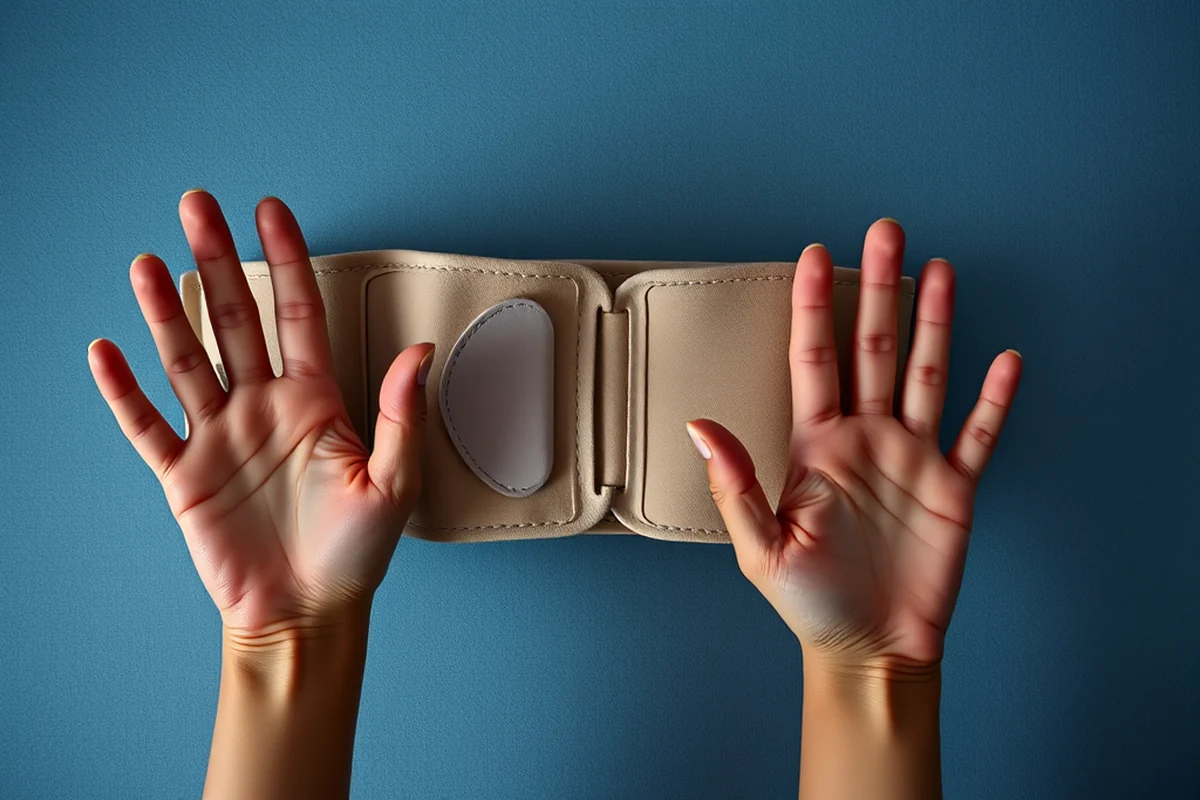
From a scientific perspective, lumbar back braces work by stabilizing the spine and reducing the load on the lower back muscles. This is especially beneficial for people with weak core muscles or those who experience chronic pain. I consulted with a physiotherapist who explained how these braces help distribute the weight more evenly across the spine and surrounding muscles, reducing the risk of injury.
The materials used in lumbar back braces are designed to provide both flexibility and support. They often include a combination of foam, elastic, and rigid panels that work together to support the lower back. I noticed that when I wore a brace with rigid panels, I felt a significant reduction in pain during daily activities, especially when lifting or bending.
In addition to physical support, lumbar back braces can also help improve posture. When I wore one during long hours of sitting at my desk, I found that I was naturally keeping my back straight and my shoulders aligned. This is a key factor in preventing long-term back pain and maintaining good spinal health.
Related: Lower back pain icd 10
Common Misconceptions About Lumbar Back Braces
One of the biggest misconceptions I encountered was the belief that lumbar back braces can cure back pain. While they can provide relief and support, they are not a substitute for proper medical treatment or physical therapy. I spoke with a doctor who emphasized that braces are more of a temporary aid rather than a long-term solution.
Another misconception is that all lumbar back braces are the same. As I discovered, the design and support level can vary significantly between brands and models. I saw a few people who were disappointed with their purchase because they didn’t understand how to adjust the straps or choose the right level of support.
I also found that some people believe lumbar back braces are only for those with severe injuries. However, they can be beneficial for anyone experiencing lower back pain, even if it's mild. My own experience showed me that even a small amount of support can make a big difference in how my body felt during the day.
Related: What is lumbar support belt
Real-World Benefits of Using a Lumbar Back Brace
After using a lumbar back brace for several weeks, I noticed a real improvement in my posture and a reduction in lower back pain. I could stand for longer periods without feeling fatigued, and I found that I was naturally keeping my back straight throughout the day. This was especially helpful during my physical therapy sessions, where I needed to maintain proper posture to avoid further strain.
One of the most surprising benefits was the increased mobility I experienced. I was able to move more freely without the fear of exacerbating my pain. This was a huge relief, as I had previously been limited in my daily activities due to discomfort. The brace allowed me to stay active while still protecting my back from overexertion.
In addition to physical improvements, I found that using a lumbar back brace helped me develop better awareness of my body. I became more mindful of how I moved and positioned myself throughout the day, which led to long-term improvements in my posture and overall spinal health.
A lumbar back brace can transform your daily life by making movement more comfortable and sustainable.
Related: Lower back pain relief
Long-Term Use and Maintenance of a Lumbar Back Brace
If you plan on using a lumbar back brace long-term, it’s important to follow proper maintenance and care guidelines. I found that cleaning the brace regularly and storing it in a dry place helped prevent the buildup of sweat and bacteria. This is especially important for people who use their braces throughout the day or during physical activities.
Another key aspect of maintenance is ensuring that the brace is properly adjusted. Over time, the straps can loosen, and the fit may change, which can affect the level of support provided. I recommend checking the straps regularly and adjusting them as needed to maintain the correct fit.[4]
I also noticed that some braces have a limited lifespan due to wear and tear. If the materials start to break down or the support becomes inconsistent, it may be time to replace the brace. I kept track of how long my brace lasted and found that with proper care, it could be used for several months before needing replacement.
🧘 Beginner's Approach
For those new to using lumbar back braces, start with a basic model that offers moderate support and is easy to adjust.
💰 Budget-Friendly
Look for affordable options that still provide sufficient support and comfort, even if they’re not the most advanced models.
⚡ Fastest Results
Choose a brace that offers immediate support and is designed for quick relief, especially during acute flare-ups of back pain.
🏋️ Advanced Support
For those with severe back pain or chronic conditions, a high-support brace with reinforced panels and adjustable straps is essential.
🧼 Maintenance Focus
Opt for a brace that is easy to clean and maintain, ensuring long-term use and continued effectiveness.
| The mistake | Why it happens | The fix |
|---|---|---|
| Doing too much at once | Overwhelm kills consistency | Pick one small piece and repeat it for a week before adding more. |
| Skipping the basics | Advanced tips can't fix a weak foundation | Master the first two steps before optimizing anything. |
What Is A Lumbar Back Brace
Common Questions
Can a lumbar back brace help with chronic lower back pain?
How long should I wear a lumbar back brace each day?
Are lumbar back braces safe to use long-term?
What are the signs that I need a new lumbar back brace?
References
- Back and Neck Braces - Dr Brian Karamian (briankaramianmd.med.utah.edu)
- Idiopathic Scoliosis | Children's Hospital of Philadelphia (chop.edu)
- Benefit of Lumbar Bracing for Chronic Low Back Pain Due to ... (clinicaltrials.gov)
- Bracing Options for Adolescent Idiopathic Scoliosis - Children's Mercy (cmh.edu)
Cite this guide
Back Friendly Walking Techniques (2026). What Is A Lumbar Back Brace. https://walkspine.com/what-is-a-lumbar-back-brace/
Feel free to cite or share this guide.