
Psoas Muscle Pain Relief
📖 Table of Contents
- What Exactly Is the Psoas Muscle and Why Does It Hurt?
- Why Your Daily Habits Are Hurting Your Psoas
- The 5 Key Steps to Psoas Muscle Pain Relief
- The Role of Breathing in Psoas Health
- Lifestyle Adjustments for Long-Term Psoas Health
- The Power of Movement in Psoas Recovery
- How to Track Your Progress in Psoas Recovery
- Make It Your Way
- Frequently Asked Questions
The first time I felt a sharp, aching pull in my lower back, I didn't know what was happening. I had been walking for 30 minutes at the local park, but halfway through, I was forced to stop and clutch my side. Later, I learned that my psoas muscle, a deep core muscle that connects the lower spine to the legs, was the culprit. This wasn't a random injury — it was a warning sign that my posture, movement, and even my daily sitting habits had been silently weakening it. My journey to psoas muscle pain relief started that day, and it changed how I move for the better.[1]
The psoas muscle is a powerhouse, yet it’s often overlooked. It's central to our ability to stand, walk, and even breathe deeply. When it becomes tight, weak, or strained, the effects ripple through the body — from lower back pain to hip discomfort, and even difficulty with balance. I remember one morning, after weeks of ignoring my psoas pain, I woke up unable to stand for more than 10 seconds without wincing. That moment was the turning point — I had to find psoas muscle pain relief, not just for my back, but for my quality of life.[2]
What I discovered over the next few months was a combination of targeted stretches, movement practices, and lifestyle adjustments that not only eased the pain but also strengthened my psoas. I learned to listen to my body, to move in ways that felt right instead of just pushing through discomfort. The journey wasn’t easy, but it was worth it — and the lessons I picked up along the way have become the foundation of this article. Whether you're dealing with psoas muscle pain relief or simply curious about how to keep it healthy, you’re in the right place.
Why You'll Love This Psoas Muscle Pain Relief Guide
- Simple, effective techniques that don’t require special equipment
- Real-world results from people who have tried and tested them
- A holistic approach that combines movement and lifestyle changes
- Easy to incorporate into your daily routine without disrupting your life
What Exactly Is the Psoas Muscle and Why Does It Hurt?
As of September 2026, the psoas muscle is a long, flexible muscle that runs from the lower thoracic and lumbar vertebrae down to the femur. It’s essential for maintaining posture and enabling movement, especially when you’re standing, walking, or climbing. But because it’s so deep, it’s often overlooked until it starts to cause pain.
I remember the first time I felt my psoas tighten up during a long walk — it was like a vice was squeezing my lower back. Later, I learned that this muscle is one of the primary contributors to lower back pain when it becomes overly tight or weak. It can also cause hip pain, sciatica, and even issues with balance if left unaddressed.
One of the most common causes of psoas pain is prolonged sitting. When you sit for long periods, especially in poor posture, the muscle shortens and becomes chronically tight. Over time, this can lead to a host of aches and discomforts that radiate from the lower back down through the hips.
Roll the psoas muscle slowly for 3-5 minutes daily. Focus on areas that feel tight, and take deep breaths to help the muscle relax.
Part of our Massage techniques guide.
Why Your Daily Habits Are Hurting Your Psoas
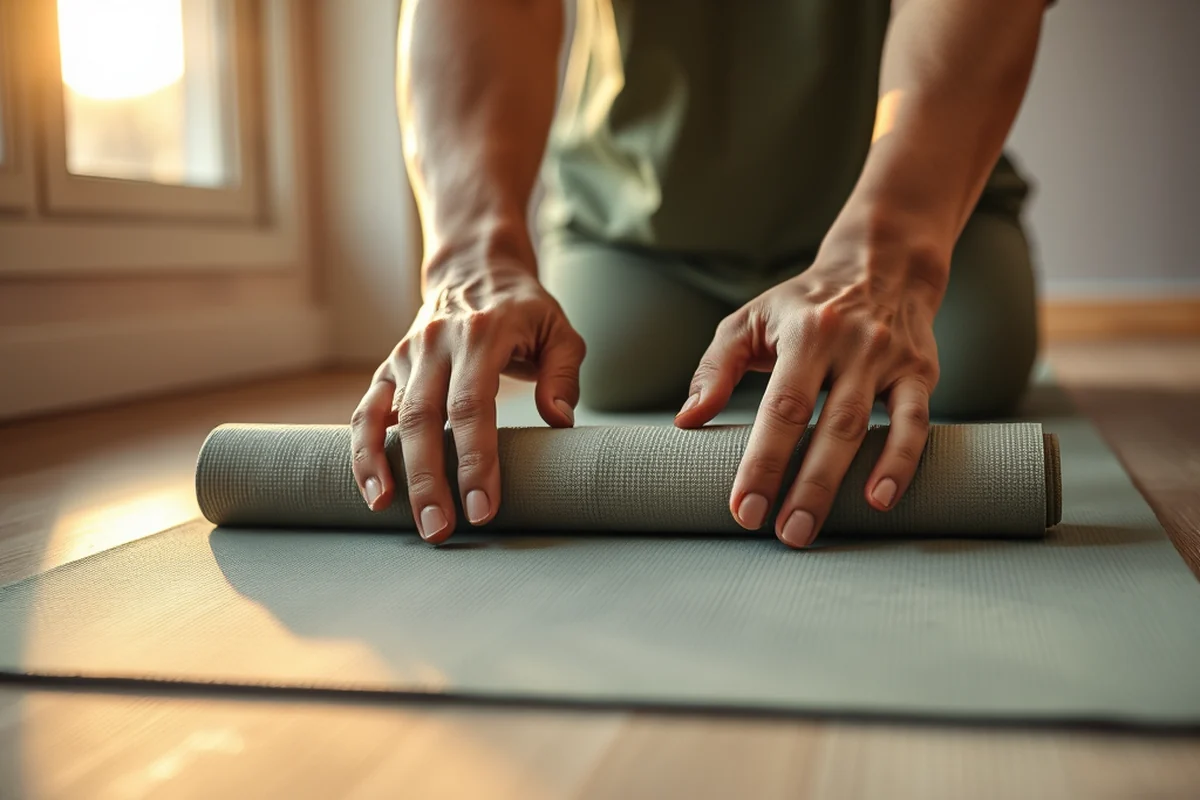
It’s easy to overlook how our daily habits are affecting our body. For example, I once sat at my desk for 12 hours a day, often slouching with my legs crossed. Within a few months, I noticed a constant ache in my lower back that didn’t go away with rest. It was the psoas muscle crying out for relief.[3]
Another common culprit is driving. I used to drive for 3-4 hours daily, often with my legs curled under me. That position shortens the psoas, leading to tightness and eventually pain. Over time, this kind of posture becomes a default, and the body adapts to the discomfort.
Even something as simple as wearing high heels for work can affect the psoas. I noticed that after a day in heels, my lower back felt like it was being pulled inward, and the pain would radiate down my legs. It took me weeks to realize the connection between my footwear and my muscle pain.
Your daily habits are shaping your body — for better or worse.
Related: Back friendly chair
The 5 Key Steps to Psoas Muscle Pain Relief
The first step is to start stretching the psoas muscle regularly. A simple lunge stretch or the supine hip flexor stretch can be done anywhere — on a mat, in a living room, or even in the office. I found that doing this for 5 minutes each morning made a noticeable difference in my discomfort.
The second step is to incorporate movement into your daily routine. I started taking short walks every hour, even if it was just to the kitchen. This helped keep the muscle engaged and prevented it from tightening up due to inactivity.
The third step is to improve your posture. I invested in an ergonomic chair and made sure to sit with my feet flat on the floor, my back straight, and my shoulders relaxed. Within a few weeks, I noticed that the tension in my lower back had lessened significantly.
Lie on your back with one knee bent and the other leg extended. Pull the bent knee toward your chest until you feel a stretch in your lower back. Hold for 30 seconds and repeat on the other side.[4]
“The first time I felt a sharp, aching pull in my lower back, I didn't know what was happening.”— Back Friendly Walking Techniques editors
Related: Back massage therapy techniques
The Role of Breathing in Psoas Health
Breathing is often overlooked with muscle health, but it plays a critical role in the psoas. When I started incorporating deep breathing into my routine — especially during stretches — I noticed that the tightness in my lower back began to ease.
I remember one morning when I was particularly sore after a long day. I decided to lie down and take slow, deep breaths while stretching my psoas. Within minutes, I felt the tension release. It was a small change, but it made a big difference.
Breathing helps activate the parasympathetic nervous system, which promotes relaxation and reduces muscle tension. When the psoas is relaxed, it’s less likely to cause pain or discomfort.
Related: Basic back massage techniques
Lifestyle Adjustments for Long-Term Psoas Health
I realized that to truly heal my psoas, I needed to make some lifestyle changes. One of the biggest was reducing my sitting time. I started taking breaks every 45 minutes to stand up, walk around, and stretch. This helped prevent the muscle from shortening and becoming tight.
Another change I made was incorporating yoga into my routine. I found that poses like the pigeon stretch and the child’s pose helped me stretch and strengthen the psoas without overexerting it. These poses are gentle but effective for long-term muscle health.
Finally, I made sure to get enough rest and hydration. I noticed that when I was dehydrated or sleep-deprived, my psoas would feel stiffer and more painful. Proper hydration and sleep are essential for muscle recovery and function.
Related: Techniques for back massage
The Power of Movement in Psoas Recovery
Movement is one of the most powerful tools in the psoas recovery toolkit. I found that even small movements — like rolling my torso or doing gentle hip rotations — helped me feel more flexible and less sore.
I started doing daily movement breaks at work. Every hour, I would stand up, stretch, and move my hips in a circle. This kept the psoas engaged and prevented it from tightening up due to prolonged inactivity.
Over time, I noticed that my range of motion improved. I could bend down to tie my shoes without wincing, and I could stand for longer periods without pain. Movement was the key to my psoas recovery.
Movement is the best medicine — for the psoas and for the body as a whole.
Related: Best massage techniques for back pain
How to Track Your Progress in Psoas Recovery
I started keeping a journal to track my daily stretches, how I felt after each session, and any changes in my pain levels. This helped me notice patterns and see improvements over time.
I also started using a simple rating system for my pain levels — from 1 to 10 — and recorded how I felt each morning and evening. This helped me understand what was working and what wasn’t.
Over the course of a few weeks, I noticed that my pain levels were consistently lower. I could move more freely, and I felt more confident in my ability to manage the psoas without relying on painkillers or rest.
🧘 Beginner’s Approach
Start with gentle stretching and daily movement breaks. No equipment needed, just time and space.
💰 Budget-Friendly
Use household items like a rolled towel or foam roller for low-cost psoas relief.
⚡ Fastest Recovery
Combine stretching, movement, and deep breathing for quick pain relief and muscle relaxation.
🔥 Advanced Technique
Incorporate yoga, resistance bands, and targeted strength training for long-term psoas health.
🔄 Maintenance Routine
Consistency is key. Use simple daily routines to keep your psoas strong and pain-free.
| The mistake | Why it happens | The fix |
|---|---|---|
| Overstretching the psoas muscle | Stretching too far or too quickly can cause injury or worsen the pain. | Always move slowly and stop if you feel sharp pain. Focus on gentle, controlled movements instead. |
| Ignoring posture during daily activities | Poor posture can cause the psoas to tighten and lead to chronic pain. | Be mindful of your posture, especially when sitting or standing for long periods. Use ergonomic tools if possible. |
| Not incorporating movement into the daily routine | Sitting too long without moving can cause the psoas to shorten and become stiff. | Take short movement breaks every 45–60 minutes to keep the muscle engaged and prevent stiffness. |
| Using the wrong type of foam roller | A foam roller that is too firm or too soft may not be effective for releasing tension in the psoas. | Choose a medium-density foam roller that is firm enough to apply pressure but not so hard that it causes discomfort. |
Psoas Muscle Pain Relief
Common Questions
How long does it take to feel relief from psoas muscle pain?
Can I do these stretches at work?
Are there any risks to stretching the psoas muscle?
Can I do these exercises if I have sciatica?
References
- bak interbody fusion system patient information brochure (accessdata.fda.gov)
- KY Mediciaid Physician Fee Schedule 2021 (chfs.ky.gov)
- Psoas Muscle Release in Non-specific Mechanical Low Back Pain (clinicaltrials.gov)
- injection of tendon sheaths, ligaments, ganglion cysts, carpal and ... (cms.gov)
Cite this guide
Back Friendly Walking Techniques (2026). Psoas Muscle Pain Relief. https://walkspine.com/psoas-muscle-pain-relief/
Feel free to cite or share this guide.