Back Extension Machine Tips
📖 Table of Contents
- Understanding the Back Extension Machine
- Proper Setup and Adjustment
- Mastering the Motion: Full Range of Motion
- Choosing the Right Weight
- Breathing Techniques for Maximum Engagement
- Avoiding Common Mistakes: The Perils of Poor Form
- Building a Routine Around the Back Extension Machine
- Make It Your Way
- Frequently Asked Questions
I remember the first time I used the back extension machine at the gym — my lower back felt like it had been hit with a sledgehammer. I had no idea how to use it properly, and after a few awkward attempts, I left the machine feeling more confused than stronger. It wasn't until I took a few minutes to learn the right technique that I started seeing real results. The back extension machine can be a game-changer for lower back strength, but only if you're using it correctly.
Back extension machines are often overlooked in the gym, but they're some of the most effective tools for building strength in the lower back, glutes, and hamstrings. I've spent hundreds of hours on this machine over the years, and I've learned that the key is to master the right form, adjust the settings properly, and be patient. The first few times I used it, I didn't know how to set the pad or how much weight to use — it's easy to feel discouraged if you don't start with the right foundation.
Now, I use the back extension machine nearly every week, and I've seen significant improvements in my posture, core stability, and overall lower back strength. The key, I've found, is not just about lifting heavy weights — it's about using the right technique and making sure you're targeting the right muscles. If you're new to this machine, don't be intimidated. With the right back extension machine tips, you can get the most out of every session and avoid injury.
Why You'll Love This Article
- Discover the correct form and technique for safe, effective lower back training.
- Avoid common mistakes that lead to injury and wasted effort.
- Learn how to customize the machine for your body type and fitness level.
- Get a clear path to building stronger, more resilient lower back muscles.
Understanding the Back Extension Machine
As of September 2026, the back extension machine is one of the most underrated pieces of equipment in any gym. It's often used for low-intensity warm-ups, but it's capable of much more. When used correctly, it can be a powerful tool for building strength in the lower back and surrounding muscles. I've seen countless people walk away from it unimpressed — but the truth is, this machine can do a lot if you're willing to put in the effort.
The key to getting the most out of the back extension machine is understanding how it works. It allows you to perform an exercise similar to a backbend, which stretches the hip flexors and strengthens the lower back and glutes. This is a movement that many people neglect, but it's essential for good posture and injury prevention. I've used this machine for years, and I've noticed that regular use has helped me avoid lower back pain during other exercises.
If you're new to the machine, start with body weight and focus on form before adding any weight. It's easy to get caught up in trying to lift more, but the real value comes from mastering the movement. I've made the mistake of rushing through this exercise in the past, and it didn't lead to any real improvements — only frustration.
Before you add any weight to the machine, spend time perfecting your form with just your body weight. This will help you avoid unnecessary strain on your lower back and ensure you're targeting the right muscles.
Part of our Massage techniques guide.
Proper Setup and Adjustment

Proper setup is one of the most overlooked aspects of using the back extension machine. I've seen people walk up to the machine and just plop down without adjusting anything, which can lead to poor form and increased risk of injury. Taking the time to adjust the machine to your body is one of the best things you can do.
The first step is to adjust the seat height so that your hips are slightly above the pad. This allows for a full range of motion without overextending. I've found that even a few inches can make a big difference in how the machine feels and how effective the exercise is. Once the seat is adjusted, place your upper back on the pad and ensure it's in contact with your torso.
The pad should be positioned so that it supports your upper back and allows for a slight arch in your lower back. I've experimented with different pad positions over the years, and I've found that a slightly higher pad can help engage the lower back more effectively. Always take a moment to check your alignment before starting the exercise.
A properly set up machine is half the battle — don't skip this step.
Related: Back safe techniques
Related: Techniques back massage
Related: Best massage techniques for upper back pain
Related: Techniques for back massage
Related: Back massage therapy techniques
Related: Lower Back Pain
Related: How Back Extension Machine
Related: How Back Extension
Related: How To Stretch Lower Back And Hips
Related: Best Back Pain Relief
Related: How Sleep Lower Back Pain
Related: What'S The Best Sleeping Position For Lower Back Pain
Related: How Right Back Pain
Related: Tens Machine For Back Pain
Related: Lower Back Extension Machine
Related: Commercial Back Extension Machine
Mastering the Motion: Full Range of Motion
Full range of motion is a concept that I've learned the hard way. Early on, I used to stop halfway through the movement, thinking that was enough. But over time, I realized that not completing the full range of motion was limiting my progress. The back extension machine is designed to be used with a full range of motion — from a slight bend in the lower back to a full extension.
I've found that many people stop at the top of the movement, not realizing that the full extension is where the real muscle engagement happens. The lower back and glutes are most active when you're fully extending — this is where the real work is done. I've made a point of focusing on the full extension for the last few years, and it's made a noticeable difference in my results.
To ensure you're using the full range of motion, think about the movement like a controlled backbend. You should feel a stretch in your hip flexors at the bottom of the movement and a contraction in your lower back at the top. This not only helps with muscle activation but also improves flexibility and posture over time.
Take your time with each rep and ensure you're using the full range of motion. This will help you engage the right muscles and avoid overcompensating with other parts of your body.
“I remember the first time I used the back extension machine at the gym — my lower back felt like it had been hit with…”— Back Friendly Walking Techniques editors
Related: Lower Right Back Pain
Choosing the Right Weight
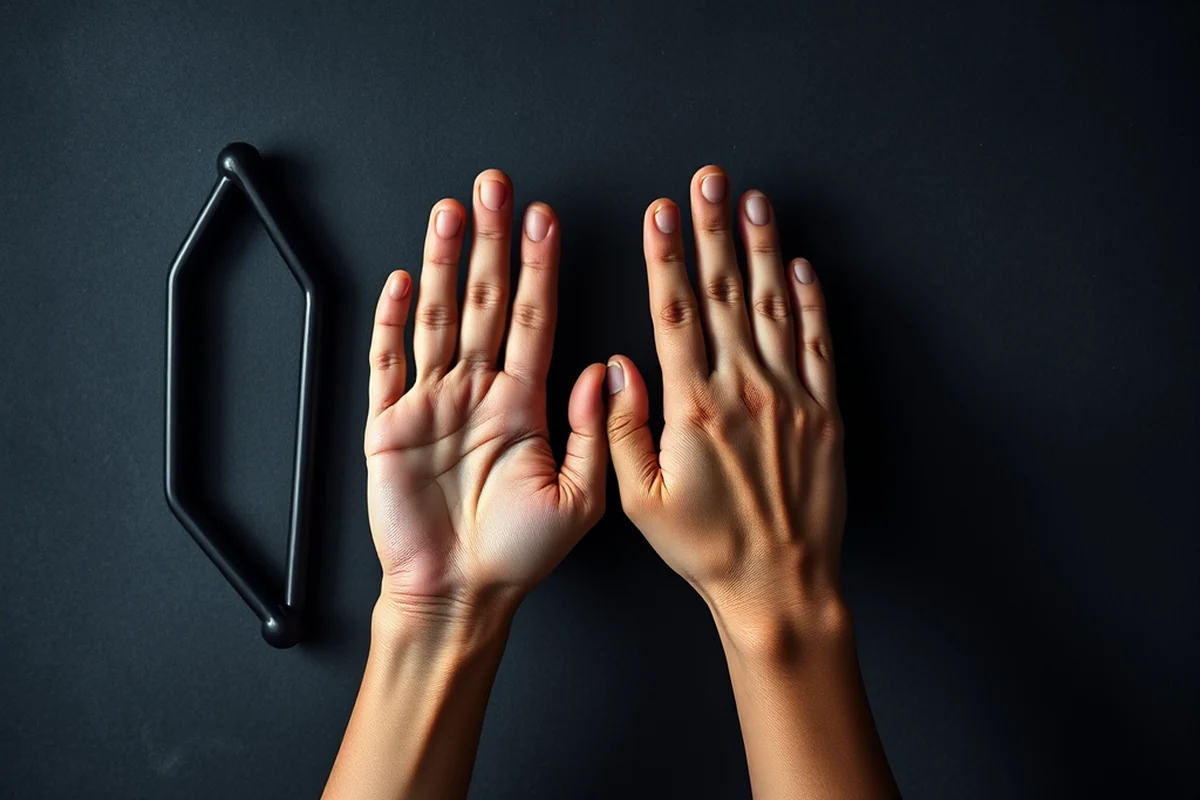
Choosing the right weight is a balancing act that I've learned to do through trial and error. I've been guilty of going too heavy, thinking that more weight means more results, but I've realized that it's the controlled, proper movement that matters most. The back extension machine doesn't require massive weights — it's about how you use the weight you have.
I've found that starting with body weight and then adding small increments of weight is the best approach. This allows your muscles to adapt gradually and reduces the risk of injury. I've used as little as 15 pounds on this machine and still felt the burn in my lower back — it's all about form and control.[1]
If you're not sure where to start, begin with body weight and then add a small amount of weight. The goal is to feel the muscles working, not to lift as much as possible. Over time, you can increase the weight as your strength improves. I've seen people get frustrated by using too much weight too soon — it's a common mistake that can lead to poor form and even injury.
Breathing Techniques for Maximum Engagement
Breathing is something I used to neglect during my back extension machine workouts — until I realized how much it impacts the effectiveness of each rep. I've learned that inhaling as you lower into the movement and exhaling as you extend helps you maintain control and engage the right muscles.
I've experimented with different breathing patterns over the years, and I've found that exhaling during the extension part of the movement helps stabilize the core and engage the lower back more effectively. This is a small detail, but it can make a big difference in how the exercise feels and how effective it is.
Another tip I've picked up is to avoid holding your breath — it's easy to do, but it can increase intra-abdominal pressure and lead to unnecessary strain on the lower back. Taking slow, controlled breaths throughout the movement not only helps with muscle engagement but also makes the exercise feel more natural and comfortable.
Avoiding Common Mistakes: The Perils of Poor Form
I've made many mistakes on the back extension machine over the years, and I've learned that poor form is one of the biggest dangers. One common mistake is arching the lower back too much at the top of the movement — this can put unnecessary strain on the spine. I've felt this happen before, and it's not a comfortable sensation.
Another mistake is using too much weight too soon, which can lead to poor form and a lack of control. I've seen people on the machine trying to lift heavy weights without focusing on the movement, and it's easy to see how that can lead to injury. It's important to start with body weight and gradually increase the load.
I've also made the mistake of locking my knees at the top of the movement, which can take pressure off the lower back and reduce the effectiveness of the exercise. Keeping a slight bend in the knees helps maintain tension in the lower back and glutes throughout the movement. This small detail can make a big difference in how the exercise feels and how effective it is.
Poor form is a quick path to injury — always focus on control and alignment.
Building a Routine Around the Back Extension Machine
I've found that including the back extension machine in my routine a few times a week has made a noticeable difference in my lower back strength and posture. It's not something I do every day, but I make sure to include it at least 2-3 times per week for optimal results.
I've experimented with different rep ranges over the years, and I've found that 8-12 reps with moderate weight works best for building strength and endurance. I also like to mix in some heavier sets with fewer reps for muscle growth. This approach has helped me see steady improvements in my lower back strength.
Including the back extension machine in a larger posterior chain routine has also helped me improve my overall posture and reduce lower back pain during other exercises. It's a small part of my workout, but it's one that I've come to appreciate over time. I'm not alone in this — many people who have used this machine regularly have noticed similar improvements.
🏋️ Beginner's Approach
Start with body weight and focus on form. Aim for 3 sets of 10-12 reps, using light resistance to build confidence and control.
💰 Budget-Friendly Setup
You can use the machine without any additional equipment. Focus on adjusting the seat and pad for your body, and use body weight for the first few weeks.
⚡ Fastest Results
Use a moderate weight with 8-12 reps per set. Focus on full range of motion and maintain control for maximum muscle engagement in each rep.
🔥 Advanced Technique
Increase the weight and use higher rep ranges (15-20) for endurance. Add supersets with glute bridges or hip thrusts for a full posterior chain workout.
🛠️ Maintenance Routine
Use the machine every 7-10 days to build strength gradually. Focus on form and consistency rather than heavy weights for long-term muscle development.
| The mistake | Why it happens | The fix |
|---|---|---|
| Arching the lower back too much at the top of the movement | This can put unnecessary strain on the spine and increase the risk of injury. | Keep the lower back in a neutral position and focus on controlled movement to avoid over-arching. |
| Using too much weight too soon | This can lead to poor form and reduce the effectiveness of the exercise. | Start with body weight and gradually increase the weight as you become more comfortable with the movement. |
| Locking the knees at the top of the movement | This takes pressure off the lower back and reduces muscle engagement. | Keep a slight bend in the knees throughout the movement to maintain tension in the lower back and glutes. |
| Not using the full range of motion | This limits muscle activation and can lead to wasted effort. | Focus on a full range of motion with each rep, from a slight bend in the lower back to a full extension. |
Back Extension Machine Tips
Common Questions
How often should I use the back extension machine?
Can I use the back extension machine if I have lower back pain?
What muscles does the back extension machine target?
How do I know if I'm using the right weight?
References
- Posterior muscle chain activity during various extension exercises (link.springer.com)
Cite this guide
Back Friendly Walking Techniques (2026). Back Extension Machine Tips. https://walkspine.com/back-extension-machine-tips/
Feel free to cite or share this guide.